
Key Takeaways
- PowerDMARC strengthens deliverability with advanced SPF, DKIM, and DMARC enforcement plus secure forensic reporting.
- Mailgun improves inbox placement through its Optimize suite and deliverability-focused consulting.
- Smartlead supports large-scale outbound campaigns with built-in warm-up, rotation, and deliverability testing.
- Postmark delivers high success rates for transactional emails using Message Streams and strong authentication.
- SendGrid provides scalable APIs with deep analytics to diagnose deliverability issues in real time.
- Mailtrap enables safe, controlled email testing in virtual inboxes before sending to real recipients.
- Every strong deliverability tool should include authentication, blacklist monitoring, inbox placement testing, and detailed reporting.
Improve email deliverability by using tools that authenticate your domain, protect your sender reputation, and maximize inbox placement. Strong deliverability platforms help you prevent spoofing, fix configuration issues, and maintain trust with mailbox providers. One important security layer for your domain is a CAA record, which tells certificate authorities which providers can issue SSL certificates for your domain. Using a CAA checker ensures these records are valid and properly configured, reducing the risk of unauthorized certificates and strengthening your overall domain security. While not a direct factor like SPF or DMARC, robust domain security contributes to the long-term trustworthiness of your sending infrastructure.
List of Best Email Deliverability Tools
Here are some of the top platforms designed to improve your inbox placement and domain security:
1. PowerDMARC
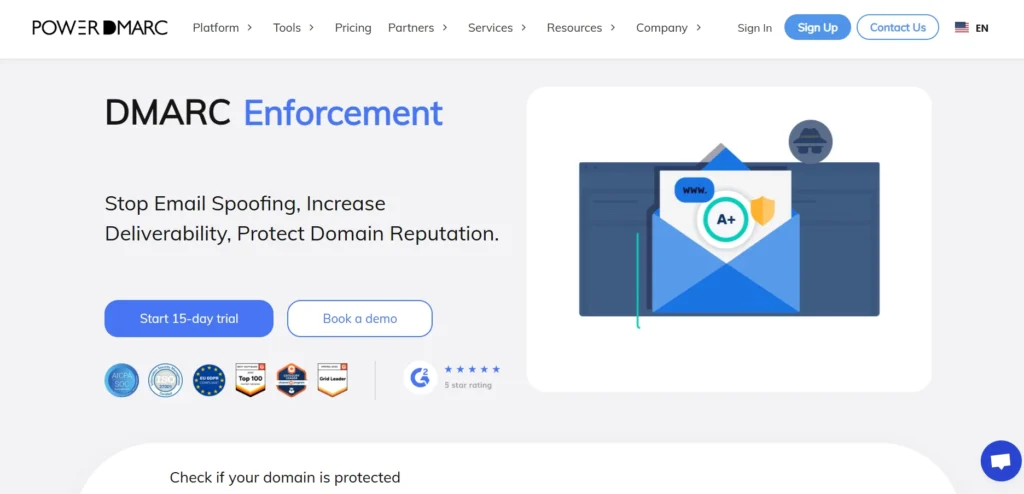
This is a security-first tool that prioritizes domain protection and email performance improvement. It offers DMARC email security, SPF, and DKIM enforcement, along with advanced reporting and security monitoring.
- Unique Value: Simplifies complex DMARC Aggregate reports into easy-to-understand visualizations to help fix reputation issues quickly. It also secures Forensic reports with private-key encryption to prevent unauthorized access, spoofing, and phishing.
- Main Benefits:
- Seven distinct data visualization options (location, organization, sender-based).
- Detailed, secure reports for enhanced visibility and compliance.
- Comprehensive SPF, DKIM, and DMARC authentication implementation.
- 24/7 customer support for immediate assistance.
- Multilingual operation for global accessibility.
2. Mailgun
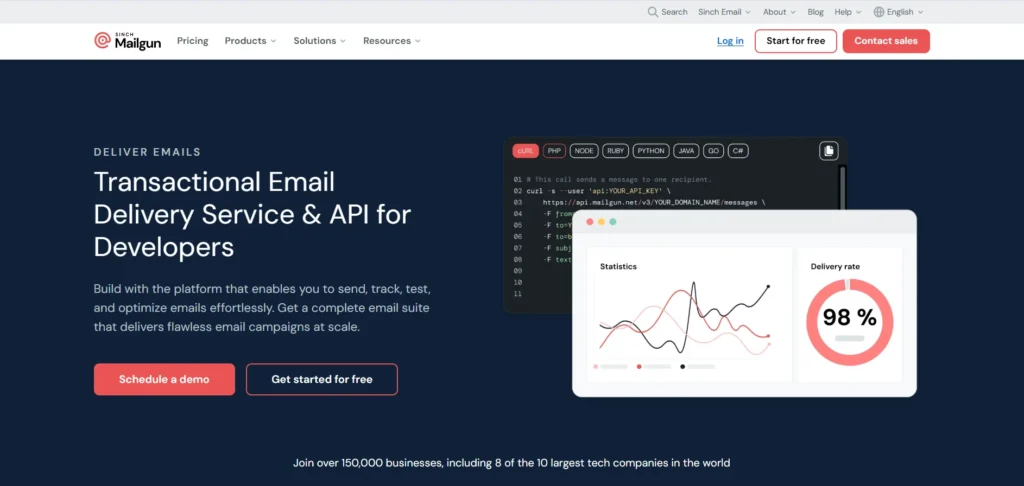
A popular email delivery service providing email API and SMTP services for developers and businesses. Its main focus is efficient sending, receiving, and tracking of transactional and automated emails.
- Unique Value: The Mailgun Optimize service specializes in avoiding the spam folder, maximizing primary inbox placement, and boosting sender reputation.
- Main Benefits:
- Dedicated support from a Technical Account Manager (TAM) for customized strategies.
- Individualized onboarding and deliverability planning.
- Continuous reporting, consulting, and inbox monitoring.
- Optimize suite features: inbox placement testing, blocklist monitoring, and device previews across over 100 clients.
3. Smartlead
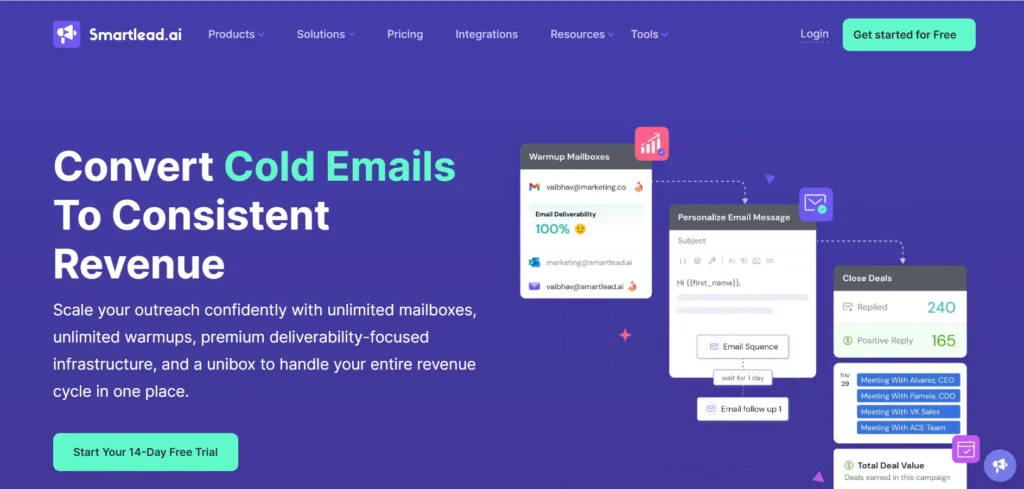
A cold email outreach platform built for large-scale outbound campaigns, especially for agencies and teams. It helps scale cold email operations without compromising inbox placement or sender reputation.
- Unique Value: Built-in deliverability features like multi-inbox rotation and warm-up alongside automated sending and follow-ups.
- Main Benefits:
- Instant performance tracking with detailed metrics (delivery, open, and reply rates).
- Built-in deliverability testing and inbox placement reporting.
- Tools for domain warm-up, blacklist monitoring, and sender score maintenance.
4. Postmark
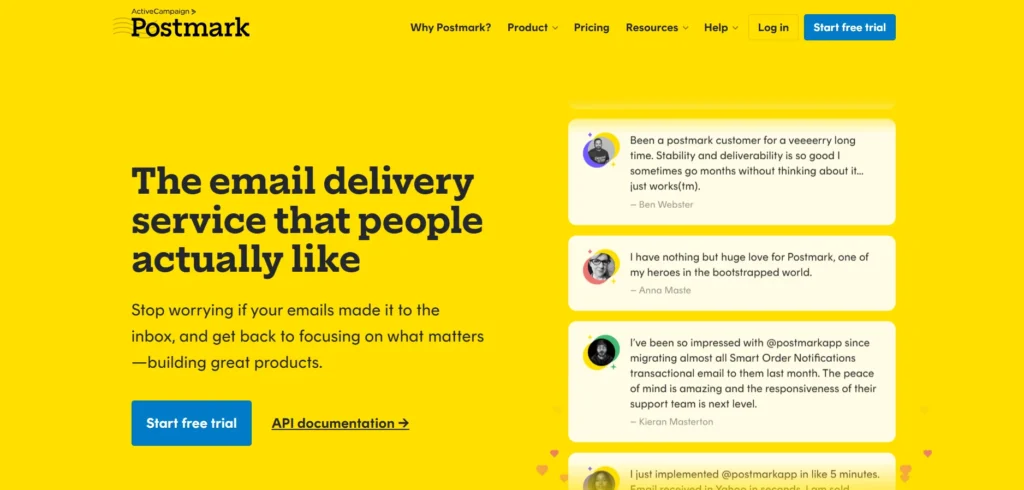
A specialized cloud-based SaaS provider focusing on transactional emails. The platform maximizes the deliverability of time-sensitive, transactional messages.
- Unique Value: Its Message Streams feature separates and categorizes different email types into dedicated streams to optimize their unique deliverability requirements.
- Main Benefits:
- Uses advanced anti-spam technology and authentication to ensure high delivery success.
- Seamless integration with popular platforms like WordPress.
- Protects sensitive information with TLS encryption during transmission.
5. SendGrid
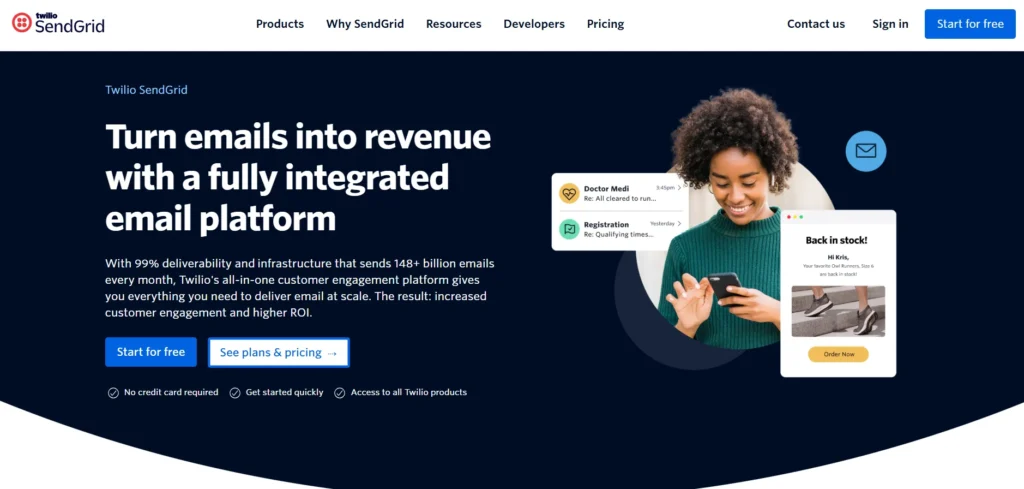
This is an email API provider that helps businesses improve customer communications through large-scale marketing and transactional emails. It offers an API for developers to craft and automate emails, coupled with deep analytics.
- Unique Value: Analytics tools track customer engagement and evaluate campaign effectiveness, providing actionable insights.
- Main Benefits:
- Real-time monitoring of delivery, open, and bounce rates.
- Detects performance patterns leading to inbox placement decreases for proactive steps.
- Generates personalized improvement recommendations based on live data analysis.
6. Mailtrap
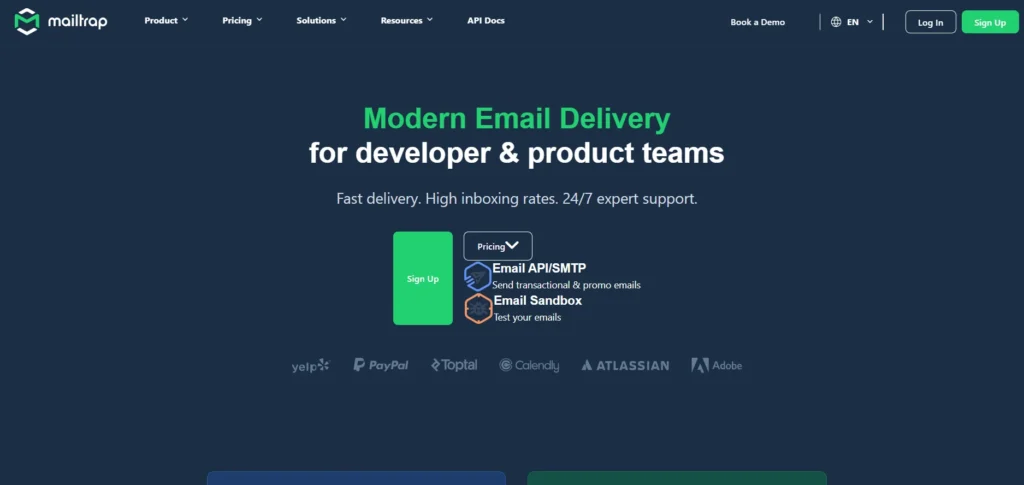
A testing solution that catches test emails in virtual inboxes before they ever reach real customers. It allows development teams to test, view, and share emails (including transactional) from development and staging environments.
- Unique Value: Facilitates safe, easy testing to ensure emails function correctly without bothering or spamming actual recipients.
- Key Benefits:
- Verifies dynamic content delivery and personalization features.
- Checks email headers for accuracy and generates reports on spam and blacklisted domains.
- Supports separate testing environments (inboxes and projects) for better collaboration and tracking.
What Every Good Deliverability Tool Needs
If you are serious about email, your tools must offer these core functions. They protect your reputation and boost your success:
1. Email Authentication (SPF, DKIM, DMARC)
This is how you prove your emails are real. These protocols formally tell services like Gmail that you can send from your domain. It is vital for earning trust. This setup stops people from sending fake emails under your name. If you fail this step, your message will likely get rejected.
2. Blacklist Alerts and Spam Tests
You need both quick warnings and practice runs.
- Blacklist Monitoring: If your sending address gets flagged, delivery stops instantly. The tool must send an immediate alert. This lets you start fixing the problem right away.
- Spam Testing: Before you send a big campaign, this feature tests your email. It tells you how spam filters will score your message. If the score is bad, you know what content to change before the final send.
3. Knowing Your Reputation Score
You must see the grades that service providers give you.
- Domain Health: Every major provider rates your sender reputation. This score looks at your history and how users interact with your mail. You must monitor this score. It shows if you maintain good sending habits.
4. Inbox Placement Testing
This shows you the moment of truth. Where does your email go?
- What it is: Your goal is the Primary tab, not Promotions or Spam. This feature checks placement across various email clients.
- The Strategy: Use this data to clean up your lists. Be strict. Remove subscribers who do not engage. Make sure your emails are useful and relevant to the audience.
5. Detailed Reports and Analytics
You cannot fix what you do not track.
- The Insights: You need more than just open rates. A strong tool gives you full reports. This includes bounce rates, user complaints, and ISP performance.
- Why it is essential: These reports help you find small issues fast. You can fix them before they become big problems that hurt your sending ability.
Summing Up
Email deliverability is not accidental. It is the result of using the right tools and following smart practices. The key is to build trust with mailbox providers. You must prove who you are (authentication), avoid spam traps (monitoring), and send content that people want (reputation and placement). Investing in these specialized tools means you can see problems early. You can then fix them fast. This ensures your marketing messages reach the main inbox, where they can actually work.
Frequently Asked Questions
Why do Legitimate Emails Fail to Deliver?
Even good emails get blocked. This happens because of a bad sender reputation, failed security checks (like DMARC), or your address getting added to a spam blacklist. Filters are very strict now.
What is the Most Important Feature to Look For?
Email authentication support (SPF, DKIM, DMARC) is the most critical feature. If you do not prove your identity, providers will not trust your email. Good reports and blacklist alerts are also essential.
Should a Small Business Pay for a Tool?
Free testing tools are fine for a start. However, if email is important for making money, you need a paid tool. Paid platforms give you detailed reports and alerts. This helps your business grow safely.