

Social media has fundamentally changed how jewelry trends emerge and spread. What once took months through fashion shows and magazine editorials now happens in days through Instagram Reels and TikTok videos. For jewelry designers, brands, and retailers, understanding how to forecast trends using social platforms isn’t optional; it’s survival.
This guide walks you through the complete framework for predicting jewelry trends before they saturate the market. You’ll learn which platforms matter most, what signals to track, and how to translate social media data into profitable design decisions.
The Social Media Trend Forecasting Revolution
Traditional jewelry trend forecasting relied on fashion weeks, trade shows, and industry publications. Designers worked 12-18 months ahead, betting on predictions from professional forecasting agencies. This system worked when trend cycles moved slowly,y and information flowed through controlled channels.
Social media demolished these barriers. Now, a single TikTok video can spark a jewelry trend that reaches millions within 72 hours. Instagram transforms niche aesthetics into mainstream demand overnight. Pinterest search data predicts what consumers will want three months before they start shopping.
The business impact is measurable. Brands that identify trends early capture 40-60% higher margins than those chasing established trends. They avoid the discount cycle that hits late adopters. More importantly, they build reputations as trendsetters rather than followers.
Why Social Media Outperforms Traditional Forecasting
Speed defines the advantage. Traditional forecasting agencies publish seasonal reports months in advance. Social media provides real-time signals as trends form. You see emerging patterns in hashtag growth, engagement rates, and content velocity before competitors notice.
Democratization matters too. Trends no longer require celebrity endorsements or magazine features to gain traction. Micro-influencers with 10,000 engaged followers launch movements that spread globally. Independent designers bypass traditional gatekeepers entirely.
Data volume and diversity give social platforms unmatched predictive power. You’re analyzing millions of organic interactions from real consumers, not survey responses or focus groups. The signals come from actual behavior, what people save, share, and purchase.
Platform-Specific Trend Signals
Each social platform generates distinct trend patterns. Understanding these differences determines where you invest monitoring time and which signals you trust for different jewelry categories.
Instagram: The Visual Trend Hub
Instagram dominates jewelry discovery because the platformwas built around visual inspiration. The integration of shopping features, Reels, and algorithmic discovery makes it the primary research tool for 64% of jewelry shoppers under 40.
Key signals appear in specific metrics. Hashtag growth rates tell you when interest is accelerating. A hashtag jumping from 50,000 to 200,000 posts in two weeks indicates momentum. Save rates matter more than likes when users save jewelry content for later reference; they’re seriously considering the style.
Reels engagement reveals what’s going viral. The algorithm amplifies content that keeps viewers watching and drives shares. Jewelry videos showing transformation, stacking demonstrations, or behind-the-scenes making processes consistently outperform static posts.
For beginners exploring popular jewelry styles, Icecartel’s chains offer an excellent entry point into trending hip-hop jewelry aesthetics that frequently dominate Instagram Reels and TikTok content.
Instagram Shopping activity provides purchase intent signals. When specific jewelry styles appear frequently in tagged products with high engagement, demand is building. Track which pieces people screenshot or send via direct message, as these indicate serious buying consideration.
TikTok: Viral Trend Explosions
TikTok’s algorithm creates overnight jewelry phenomena that would take months to build on other platforms. The “For You” page exposes content to users who haven’t followed you, enabling rapid trend spread based purely on engagement quality.
Trend signals on TikTok move faster than on Instagram. Watch for specific sounds becoming associated with jewelry content. When a trending audio track gets paired with jewelry reveals, try-ons, or styling videos, that’s your cue. If multiple creators use the same sound with similar jewelry aesthetics, a trend is forming.
Hashtag challenges launch accessible trends. TikTok users love participation, so jewelry styles that work for various budgets and skill levels gain traction fastest. Chain necklaces, pearl pieces, and DIY resin jewelry all went viral through this mechanism.
The platform favors independent designers and small brands. Authenticity outperforms polish on TikTok. Behind-the-scenes content showing your design process, material sourcing, or packaging routine builds audiences that convert to customers.
Monitor comment sections carefully. When users tag friends with phrases like “we need these” or “this is so you,” purchase intent is high. Save and share rates indicate content people want to reference later or show others, signaling lasting interest beyond momentary entertainment.
Pinterest: Long-Tail Trend Prediction
Pinterest functions as a predictive search engine rather than a social network. Users research future purchases months in advance, making Pinterest data a leading indicator for jewelry trends 3-6 months before they peak elsewhere.
Pinterest Trends shows search volume patterns over time. When searches for “chunky gold hoops” or “colored gemstone rings” increase 200-300% quarter over quarter, retailers should prepare inventory. The platform publishes annual trend reports based on this search data, offering professional-grade forecasting for free.
Pin save rates reveal which jewelry aesthetics resonate for long-term consideration. Unlike Instagram’s fleeting engagement, Pinterest users curate boards for weddings, style goals, and gift ideas. High save rates indicate sustained interest, not temporary viral moments.
The platform dominates bridal jewelry research. Engagement ring styles, wedding jewelry sets, and bridesmaid gift ideas get researched on Pinterest 6-12 months before purchases. If you work in bridal jewelry, Pinterest provides unmatched lead time for trend preparation.
The 7-Step Trend Forecasting Framework
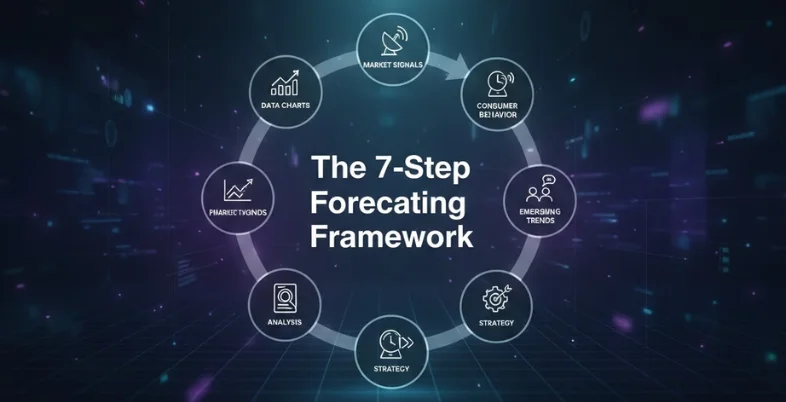
Systematic forecasting transforms scattered observations into actionable intelligence. This framework structures your monitoring and decision-making process.
1. Identify Your Target Platforms
Focus your monitoring energy on platforms where your target customers spend time. Luxury jewelry brands prioritize Instagram and Pinterest, where affluent consumers research aspirational purchases. Mass-market brands need TikTok coverage to catch viral trends that drive volume.
Don’t attempt comprehensive monitoring of all platforms simultaneously. Start with your primary discovery channel, master the monitoring rhythm, then expand to secondary platforms. Most jewelry businesses find success focusing on 2-3 platforms maximum.
2. Set Up Monitoring Systems
Createa dedicated social listening infrastructure before attempting serious forecasting. Tools like Later, Hootsuite, or Sprout Social aggregate hashtag performance, engagement metrics, and competitor activity into dashable views. For jewelry-specific monitoring, track relevant hashtags, competitor accounts, and influential creators.
Build custom hashtag lists organized by category: metals, gemstones, styles, occasions, and aesthetic movements. Monitor both broad terms and niche combinations. Broad hashtags like #goldjewelry show overall category health while specific tags like #chunkyhoops reveal emerging micro-trends.
3. Track Early Adopter Communities
Jewelry trends often originate in specialized communities before reaching mainstream awareness. Fashion students, art school graduates, and creative professionals experiment with bold aesthetics that filter into commercial markets months later.
Identify 20-30 early adopter accounts relevant to your aesthetic. These might be emerging designers, fashion stylists, or influential collectors. When multiple early adopters start wearing similar pieces independently, a trend is forming.
Music culture drives jewelry trends significantly. Hip-hop artists popularize chains, grills, and pendant styles that spread through fan communities. The rise of platforms like Erome has created new spaces where niche style communities share jewelry inspiration, though these platforms require careful navigation to identify commercially viable trends versus fleeting aesthetics.
4. Document Pattern Recognition
Build a trend journal documenting everything you notice. Screenshot posts, note dates, track engagement metrics, and write observations about why certain content resonates. This documentation becomes invaluable when validating patterns and measuring forecasting accuracy.
Look for repetition across unrelated accounts. When five different creators in different cities post similar jewelry styles within a week, that’s significant. Individual viral posts may be anomalies, but coordinated emergence signals genuine momentum.
5. Validate Across Multiple Signals
Never commit production resources based on single-platform signals. Cross-reference trends across Instagram, TikTok, Pinterest, and Google search data. The strongest opportunities appear simultaneously across multiple channels.
Search volume provides validation for social signals. Use Google Trends to confirm that interest is growing beyond social media bubbles. Rising search volume for specific jewelry terms indicates consumers are actively seeking to purchase, not just passively engaging with content.
6. Prioritize Commercial Viability
Filter trends through practical business constraints before acting. Can you produce the pieces profitably at your price point? Do they align with your brand positioning? Will your existing customers embrace the aesthetic, or does it require reaching new audiences?
Time-to-market determines which trends you can capture. Fast-fashion jewelry brands can respond to TikTok trends within 2-3 weeks. Luxury brands with complex production need 3-6 months, making them better suited to Pinterest’s longer prediction windows.
Production complexity affects trend selection. Simple chain necklaces or hoop earrings allow rapid trend response. Intricate gemstone settings or custom metalwork require longer timelines that limit trend responsiveness.
7. Execute Test Launches
Don’t bet your entire collection on trend predictions. Test concepts through limited releases that minimize risk while gathering market feedback. Pre-orders, small batch production, or made-to-order fulfillment let you validate demand before inventory commitments.
Social media amplifies test effectiveness. Share design concepts, poll followers about preferences, and gauge reaction to mockups before production. Engaged audiences provide free market research that improves forecasting accuracy.
Advanced Forecasting Techniques
Once you’ve mastered basic monitoring, these techniques reveal deeper insights and earlier signals.
Sentiment Analysis
Track not just engagement volume but emotional responses. Are people commenting with excitement, aspirational language, or purchase intent? Tools like Brandwatch or Mention analyze sentiment in comments and captions, revealing which trends generate genuine desire versus passive interest.
Negative sentiment provides valuable signals, too. If trend reactions include skepticism, mockery, or confusion, the aesthetic may not translate commercially despite engagement metrics.
Cohort Analysis
Different demographic groups adopt trends at different rates and through different platforms. Gen Z discovers through TikTok, millennials through Instagram, and Gen X through Pinterest and Facebook. Track trends by age cohort to predict when they’ll reach your specific customer base.
Geographic variation matters for jewelry. Coastal cities adopt bold, experimental styles faster than conservative markets. European customers gravitate toward minimalism while Middle Eastern markets prefer ornate designs. Filter trends through geographic relevance.
Cross-Category Pattern Recognition
Jewelry trends often emerge from adjacent categories. Fashion trends predict jewelry aesthetics 2-3 seasons later. Y2K fashion revival drove corresponding jewelry trends toward butterfly motifs, colorful beads, and chunky plastic accessories.
Home decor and interior design aesthetics influence jewelry preferences. The minimalist movement drove delicate, simple jewelry designs. Maximalist interiors correlate with bold, statement jewelry choices.
Influencer Network Mapping
Map relationships between influential accounts to identify trend diffusion patterns. When a mid-tier influencer with 100K followers posts jewelry content that three micro-influencers (10-50K) replicate within a week, a trend cascade is beginning.
Track influencer jewelry partnerships and sponsorships. Brands don’t invest in influencer campaigns randomly; their market research identifies emerging opportunities. When multiple brands sponsor similar jewelry content simultaneously, they’ve identified the same trend signals.
Building Trend-Responsive Collections
Strategic collection development balances trend responsiveness with brand consistency. You can’t chase every trend, but ignoring them all leaves you irrelevant.
The 70-20-10 Model
Structure collections with 70% core signature pieces, 20% trend-informed designs, and 10% experimental trend bets. This balance protects brand identity while capturing trend opportunities.
Core pieces generate predictable revenue and embody brand DNA. Trend-informed designs incorporate trending elements into your aesthetic framework, subtle trend nods without wholesale identity shifts. Experimental pieces test bold trend bets with limited risk.
Trend Translation
Adapt trends to your brand aesthetic rather than copying them directly. If chunky chains are trending but you design minimalist jewelry, interpret the trend through your lens,s perhaps delicate chain layering instead of heavy statement pieces.
Material substitution allows trend participation at different price points. Trending emerald jewelry works in lab-created stones for accessible brands or natural stones for luxury markets. The aesthetic captures the trend while pricing matches your positioning.
Production Timing Strategies
Build agility into production through modular design approaches. Create interchangeable components that can be quickly assembled into trend-responsive pieces. Stock findings, chains, and settings that support multiple final products.
Strategic inventory for trending materials helps speed response times. If colorful gemstones are gaining momentum, stock a variety before demand peaks. When the trend hits, you can assemble pieces immediately instead of waiting for material orders.
Measuring Forecasting Success
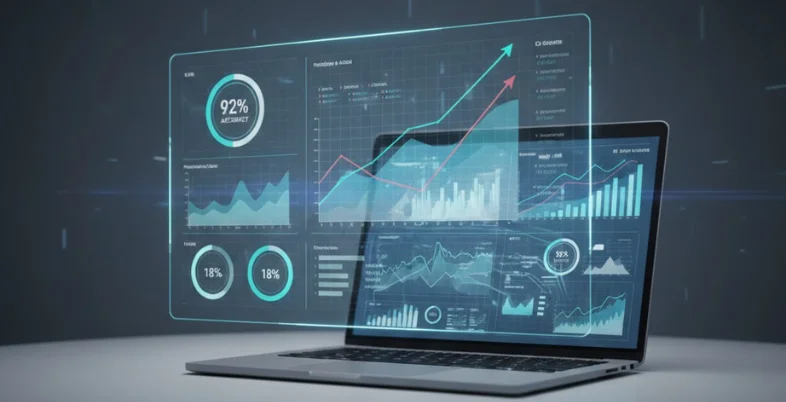
Systematic measurement separates guesswork from strategy. Track these metrics quarterly to assess and improve your forecasting accuracy. The forecast accuracy rate measures predictions that materialized. Track the percentage of trends you identified that became profitable product categories. Strong forecasters typically achieve accuracy rates of 60-70%. Not every prediction will be correct, but a majority should be.
Time-to-market performance compares your launch timing to competitors. Did you arrive early enough to capture premium pricing, or were you competing in a saturated market? Early arrivals capture 2-3x profit margins of late followers.
Sell-through rates reveal commercial validation. Trend-responsive pieces should sell 70%+ of inventory at full price within 8-12 weeks. Lower rates indicate forecasting misses or execution problems.
Professional Tools and Resources

Analytics Platforms
Specialized software automates much of the monitoring work. Trendalytics tracks product trends across e-commerce and social media. Heuritech uses AI to analyze fashion imagery and predict trends months ahead. These tools cost $500-2000 monthly but save hundreds of hours of manual monitoring.
For content creators tracking jewelry trends across platforms, tools like Instagram video downloader help archive trending jewelry content for later analysis and pattern recognition without cluttering social feeds with saves.
Hashtag Tracking
While dedicated social media management platforms like Hootsuite offer comprehensive hashtag tracking, developing organized naming conventions improves research efficiency. Tools like Unique Nicknames can help creators develop memorable, searchable hashtag variants that stand out in crowded jewelry markets.
Market Research Integration
Combine social listening with traditional market research for validation. Industry reports from Euromonitor, IBISWorld, or jewelry trade associations provide macro trend context. Economic indicators like consumer confidence and discretionary spending predict demand cycles.
Trade show attendance remains valuable despite social media dominance. Major jewelry shows like JCK Las Vegas and Baselworld showcase what established brands are developing, indicating where commercial jewelry is heading versus social media’s more experimental aesthetics.
Podcast and Content Consumption
Industry podcasts and YouTube channels offer trend insights from practicing designers. Content creators discussing material costs, production challenges, and sales patterns reveal practical trend viability beyond engagement metrics. For jewelry business inspiration, SocialMelo features creator strategies that apply directly to jewelry marketing.
SEO and Content Strategy
Understanding search patterns complements social trend forecasting. Professional SEO Service helps jewelry businesses optimize for trending search terms before competition intensifies, capturing early-stage consumer interest as trends transition from social discovery to active purchasing.
Building Your Personal Trend Database
Create a systematic archive of trend observations. Use tools like Notion, Airtable, or simple spreadsheets to document:
- Trend name/description
- First observation date
- Platforms where observed
- Key influencers/brands involved
- Engagement metrics over time
- When you acted on the trend
- Commercial results
This database becomes your competitive advantage. Over 6-12 months, you’ll recognize your strengths, which trends you identify earliest, which platforms give youthe best signals, and which trend types align with your business model. Pattern recognition across your own forecasting history improves future accuracy.
For designers who need to communicate trend insights to manufacturers or partners, creating professional presentations to use for visual storytelling, clear, aspirational imagery paired with data, helps secure buy-in for trend-responsive production.
Content Marketing Integration

Trend forecasting shouldn’t remain internal intelligence. Share trend insights through your marketing to position yourself as an industry authority while testing market reaction.
Blog posts analyzing emerging trends attract jewelry enthusiasts and potential customers. SEO-optimized trend analysis content captures search traffic from people researching these aesthetics. Write about trends 2-3 months before peak saturation to establish thought leadership.
Social media content referencing trends you’ve identified validates your expertise. When you predicted and designed for a trend that’s now everywhere, remind audiences you were early. This positions you as a trendsetter rather thana follower.
To streamline content distribution across platforms, many jewelry brands maintain link-building services strategies that ensure trend-focused articles reach relevant fashion and jewelry communities through strategic partnerships.
Avoiding Common Forecasting Pitfalls
Even experienced forecasters make predictable mistakes that waste resources and miss opportunities. Awareness of these pitfalls helps you build more reliable prediction systems.
Following every micro-trend dilutes brand identity and exhausts production capacity. Not every viral moment deserves product development. Filter trends through brand alignment and commercial viability before committing resources.
Moving too slowly on fast-moving trends means arriving after market saturation. TikTok-driven trends particularly demand rapid response. If your production timeline exceeds 4-5 months, you’ll consistently miss opportunities. Build agility into your processes through limited-edition drops or pre-made components.
Over-relying on a single platform signals creates blind spots. Trends isolated to one platform often lack the cross-cultural momentum needed for commercial success. Always validate trends across multiple platforms and data sources before major investments.
The Future of Jewelry Trend Forecasting
Technology continues to accelerate and transform how trends form and how we predict them. Staying ahead requires understanding these emerging dynamics.
AI and machine learning will increasingly automate signal detection, analyzing millions of social posts to identify pattern shifts faster than manual monitoring. Tools like Heuritech and Trendalytics already use computer vision to track fashion elements across platforms.
Augmented reality try-on technology removes purchasing barriers for online jewelry shopping. As AR becomes standard, social media integration will let users virtually try trending pieces they see in content, collapsing the gap between discovery and purchase.
Predictive analytics platforms will offer increasingly accurate forecasts by combining social signals, search data, economic indicators, and historical patterns. These systems won’t replace human creativity and taste, but they’ll provide data foundations that improve decision quality.
For content creators documenting jewelry trends through video, some platforms preserve ephemeral content that might contain early trend signals before they’re lost to disappearing stories.
Conclusion
Social media transformed jewelry trend forecasting from privileged institutional knowledge into accessible intelligence available to independent designers and major brands alike. The democratization creates opportunity for those willing to systematically monitor signals, validate patterns, and act decisively.
The framework outlined here provides a replicable process for any jewelry business, regardless of size. Start with one platform, master the monitoring rhythm, then expand. Most businesses see measurable results within 60-90 days of consistent application.
Your competitive advantage comes not from having information others lack everyone sees the same Instagram posts but from interpreting signals more accurately and acting faster. The brands dominating jewelry markets will be those that treat trend forecasting as a core strategy rather than an optional activity.