
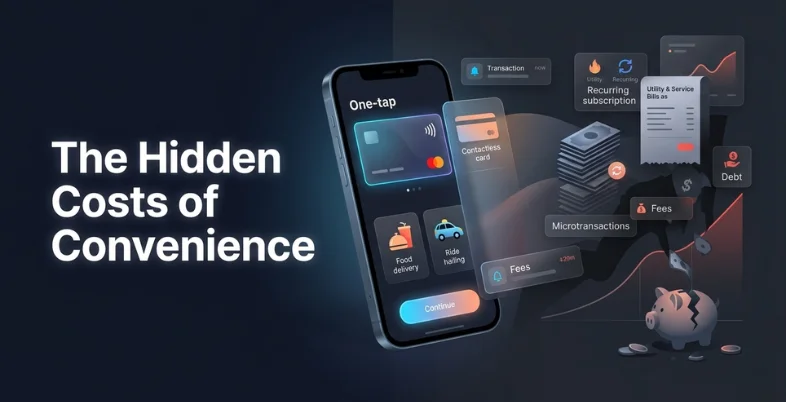
Modern life runs on small transactions. Coffee in the morning, a lunch order, a subscription renewing quietly in the background — by the time most people add it up, the numbers are surprising. Yet for all the attention we give to big financial decisions, it’s the routine ones that often define our actual financial health.
When Convenience Becomes a Pattern
For many people, reaching for a credit card is second nature. It’s fast, it’s secure, and it often comes with rewards that feel like a bonus on spending you were going to do anyway. But the mechanism behind that convenience matters more than most users realise. How interest is calculated, when the billing cycle resets, and what fees apply under which conditions — these aren’t fine print details. They’re the architecture of your financial life.
The difference between using credit strategically and using it passively can amount to thousands of rupees over the course of a year. Not because people are careless, but because the default settings of most financial products are designed around revenue, not user benefit.
The Shift Toward Intentional Banking
Something has shifted in how people approach their finances over the past few years. The rise of digital-first banks and fintech platforms has pushed traditional institutions toward greater transparency — clearer fee disclosures, real-time spending alerts, and interfaces built around user behaviour rather than branch workflows.
This matters because it changes the relationship between a bank and its customer. Instead of receiving a monthly statement and reacting to it, users can now track patterns as they happen. That visibility doesn’t eliminate poor financial decisions, but it shortens the feedback loop considerably.
A few things distinguish digital banking platforms that genuinely serve users:
- Transparent fee structures with no hidden charges on inactivity or low balances
- Real-time notifications for every transaction, not just large ones
- Flexible credit options that don’t penalise responsible borrowers
- Easy access to statements and spending categories without navigating call centres
It’s worth noting that some of these digital platforms and finance tools operate under established banking licenses rather than as independent entities. For example, theroarbank.in is not a separate bank, but an initiative of Unity Small Finance Bank Limited, allowing it to offer regulated banking services while maintaining a digital-first approach. This model has become increasingly common as traditional banks seek to reach younger, mobile-native customers.
The Psychology of Spending
There’s a well-documented effect where paying with physical cash feels more tangible than tapping a card or completing a UPI transfer. The pain of payment, as behavioural economists call it, is dulled by abstraction. Digital payments, for all their efficiency, remove a small but meaningful moment of friction.
This isn’t an argument against digital finance — the convenience is genuine and the security advantages are real. But it does suggest that the tools we use to pay should give something back in the form of awareness. A platform that surfaces your weekly food delivery spend alongside your EMI obligations is doing more than processing transactions. It’s functioning as a financial mirror.
The most useful financial products aren’t necessarily the ones with the longest feature list. They’re the ones that stay out of your way when you’re making good decisions — and quietly surface the right information when you’re not.