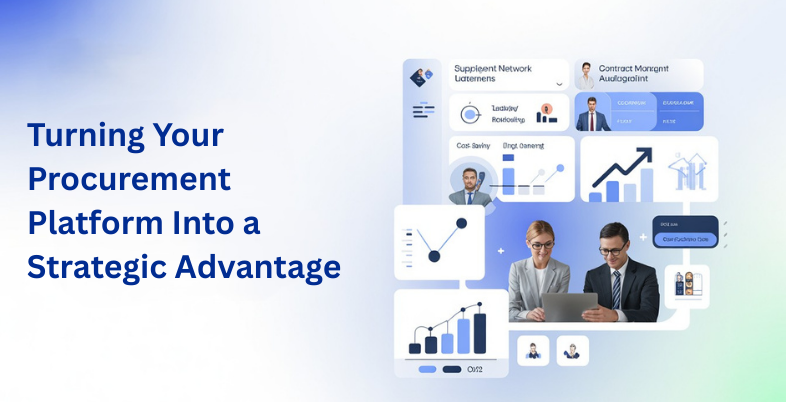
A modern procurement technology platform should be more than a digital filing cabinet․
It should be the engine that drives control, collaboration, and value across your entire Source to Pay landscape․
When used intentionally, it can help you transform procurement from an order-taker to a calculated partner․
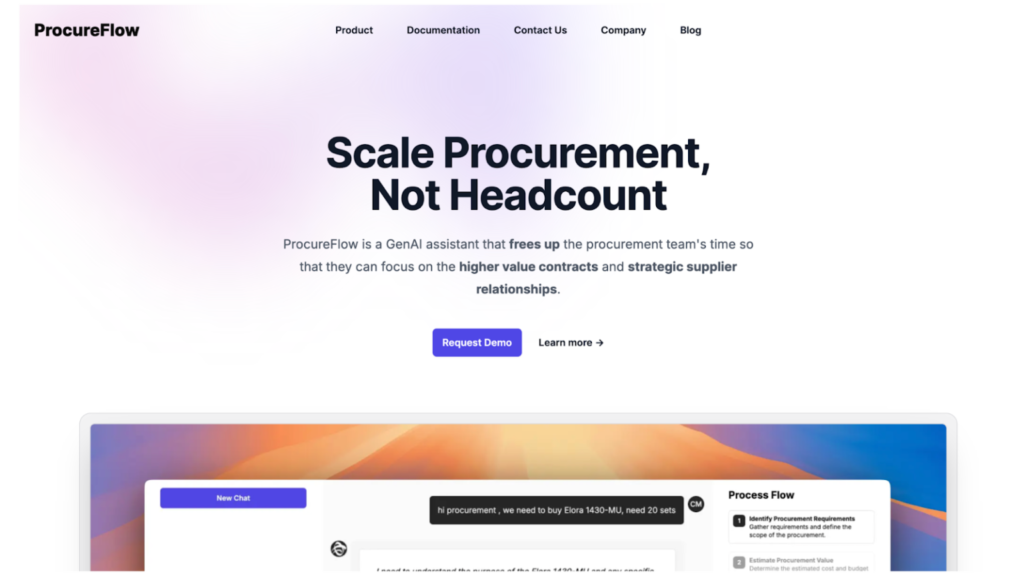
Early in that journey, many teams also consider solutions like procureflow.ai to streamline and orchestrate complex workflows across sourcing, contracting, and purchasing.
At the same time, integrating procure-to-pay software systems high in your design ensures that policy compliance, approvals, and payments work together as one seamless experience rather than a chain of disconnected steps.
Start With Outcomes, Not Features
The biggest mistake organizations make is starting with a list of features rather than a business outcome․
A procurement technology platform should be designed around what you want to change, not what you want to digitize․
Define Clear Outcomes Such As:
- Shorter sourcing and purchasing cycle times.
- Higher percentage of spend under management and on contract.
- Reduced maverick buying and policy violations.
- Better visibility into supplier risk, performance, and innovation.
- Higher satisfaction scores from stakeholders and end users.
Once the team agrees to these outcomes, it becomes far easier to decide what workflows to prioritize for automation, what approval rules work best, what investments are worth making in analytics, and more․
It also gives you the story to sell stakeholders: the platform is not “new software,” it is the way you will deliver faster, safer, more calculated decisions․
Map the End‑to‑End Source‑to‑Pay Journey
The procurement technology platform at its best has to enable integration across the entire Source-to-Pay (S2P) process, from intake, sourcing, supplier selection, contracting, purchasing, receiving, invoicing, to payment․
Walk Through Each Step and Ask:
- How does a business user request what they need today?
- Where do handoffs happen between procurement, finance, and legal?
- Which steps are handled in spreadsheets, emails, or shadow systems?
- Where do delays, confusion, or rework commonly appear?
Once you have mapped it out, look for opportunities for automation, like approvals that get repeated a lot, rekeying, and handoffs․
It is better to simplify, standardize, and optimize the journey before you have “put the process into a tool”, rather than to try to force the process into the tool․
Fix Intake and Guided Buying First
Intake is often a point of user friction: if asking for a service or product is too hard, business users will work around procurement, and your platform will never see that demand․
You Can Radically Improve Adoption By:
- Designing intuitive, dynamic request forms that adapt based on answers.
- Routing requests automatically according to value, category, and risk.
- Presenting preferred suppliers, catalogs, and pre‑approved items first.
- Providing clear status updates so users know exactly where things stand.
When intake becomes simple, easy, and visible, more people will use the platform, and procurement will be able to better shape demand, consolidate volume, and negotiate more effectively with suppliers․
Build on Strong Data Foundations
Procurement technology platforms rise or fall on the quality of their data․
Without data that is structured and clean, even the best dashboards are pointless․
Key Data Domains to Focus on Include:
- Supplier master data: legal entities, banking details, contacts, certifications.
- Contract data: terms, pricing, renewal dates, obligations, and SLAs.
- Category structures: standardized taxonomies that reflect how the business actually buys.
- Transactional data: purchase orders, receipts, invoices, and payment details.
When you invest in governance with owners, rules, and maintenance, you’ll quickly be able to segment spend, identify opportunities to consolidate, and flag risks much earlier in the process․
Integrating with finance and other enterprise systems becomes much easier without the need for duplication or conflict․
Tie Sourcing, Contracts, and Performance Together
One of the biggest value unlocks of a modern platform is to connect sourcing events, contracts, and supplier performance in an ecosystem, enabling decisions to become a continuous cycle of learning and improvement rather than isolated events taking place in siloes․
You Can Strengthen This Loop By:
- Running sourcing events within the platform so bids, evaluation criteria, and award decisions are captured digitally.
- Using standardized templates and clause libraries to assemble contracts faster and reduce legal review cycles.
- Tracking supplier KPIs—on‑time delivery, quality, service responsiveness, innovation—against specific contracts and categories.
- Feeding that performance data back into future sourcing events and supplier allocation decisions.
Procurement can select suppliers based not only on price, but also on reducing risk and providing best value in the long term․
Automate Transactional Procurement
While planned work requires human intervention, the volume and frequency of tactical actions are best suited for automated workflows, programmed using dedicated procurement technology․
Focus Automation On:
- Catalog‑based purchasing for frequently ordered items with pre‑negotiated terms.
- Auto‑approval thresholds for low‑value, low‑risk requests.
- Smart routing for higher‑value, higher‑risk purchases requiring additional oversight.
- System‑driven three‑way matching between purchase orders, receipts, and invoices.
- Automated notifications for expiring contracts, upcoming renewals, and delivery delays.
This ultimately reduces cycle times, minimizing errors and increasing time for procurement specialists to spend on supplier strategy, risk management, and stakeholder engagement instead of transactional activities․
Integrate Procure‑to‑Pay with Finance
No matter how advanced a procure-to-pay or purchasing technology platform is, it is only ever as successful as the manner in which it is integrated with accounts payable and other finance-related systems.
A single source of truth for purchase and payment allows streamlined management of commitments, cash flow, and reporting․
Critical Integration Points Include:
- Synchronizing vendor master data so suppliers are created and maintained once.
- Aligning the chart of accounts, cost centers, and tax rules to avoid rework and reconciliation issues.
- Ensuring budgets and actuals reflect the same commitments, so stakeholders are not surprised by late invoices.
- Providing finance with full visibility into the lifecycle of each spend—from request to payment—within their own environment.
This also helps procurement and finance tell a consistent story about where the money is going and why․
Leverage Cloud, Automation, and AI Thoughtfully
In addition, many modern platforms are embedding automation and AI in applications to augment human decision making, not replace it․
An active challenge is knowing where these capabilities are best applied․
Examples Include:
- Using AI‑driven analytics to group suppliers, identify outliers, and spot savings opportunities in large, messy datasets.
- Applying automation to high‑volume tasks like invoice coding, low‑risk approvals, and routine reminders.
- Deploying intelligent search and recommendations so users can quickly find the right category, policy, or supplier.
- Enabling collaborative workspaces where procurement, business stakeholders, and suppliers can exchange requirements, proposals, and feedback in context.
Guidance on privacy, algorithmic transparency, and oversight of machine actions should be established․
There should be procurement opportunities to identify issues, challenge machine-generated recommendations, and override machine decisions․
Put User Experience and Change Management at the Core
No procurement technology platform has ever succeeded without consistent and correct use, user experience, and change management are not just an afterthought, they are core to the design process․
You Can Drive Adoption By:
- Involving representatives from key functions in workshops, testing sessions, and pilot programs.
- Designing role‑based experiences that reflect what a requester, category manager, approver, or supplier actually needs to do.
- Communicating the “why” behind the platform: less manual work, faster approvals, clearer accountability, and better outcomes.
- Providing ongoing training, not just a one‑time launch session, and making support easy to access.
When users feel that their voices are heard and their input is taken seriously, they become more engaged with the platform․
Commit to Continuous Improvement
A procurement technology platform is not a one-off project․
It is a capability that should evolve as your business grows․
This is just the beginning of the deployment․
To Sustain Momentum:
- Establish a governance body or center of excellence to own standards, configuration decisions, and the roadmap.
- Review key metrics regularly: cycle times, adoption rates, savings, supplier performance, and compliance.
- Run small experiments with new features or process changes, and scale what works.
- Keep listening to stakeholders and suppliers as their expectations and challenges change.
By thinking of the platform as a living system, not a fixed piece of implementation, you ensure it is constantly aligned to your strategy and not diverging from it․
Turning Technology Into Advantage
So in the end, how do you prepare your procurement technology platform to become a planned weapon?
It needs to align people, process, data, and technology․
It needs to make it easy to do the right thing, whilst providing procurement with data to influence decisions before any spend is committed․
When you design for outcomes, integrate procure-to-pay software systems, invest in a solid data foundation and user experience, and drive continuous improvement, you don’t just digitalize a workflow; you create a value chain, where every requisition, contract, and supplier engagement makes your organization stronger, more resilient, and more innovative․